

What is a Nether Portal? How to Build the Basic Frame
A Nether Portal (also known as a Hell Portal) is a key structure that connects the Overworld to the Nether dimension. It consists of an obsidian frame, with a minimum size of 4×5 blocks (width x height). Activation by igniting it creates the portal blocks. To build it, first collect at least 10 obsidian blocks and arrange them into a frame: place 4 obsidian blocks for the bottom and top rows, and 3 obsidian blocks for each side, creating an inner empty area of 2×3 blocks. The four corners of the frame can be left empty or filled with other blocks. After activation, standing in the portal for 4 seconds completes the dimension switch. The coordinate ratio between the Overworld and the Nether is 8:1, and the system will automatically generate a corresponding portal at the linked location. Obsidian can be obtained by pouring water over lava source blocks or collected from Ruined Portals.
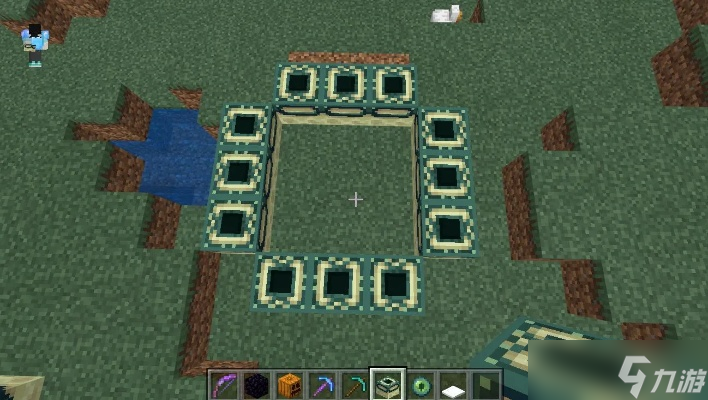
How to Activate a Nether Portal? Detailed Explanation of Multiple Methods
The core of activating a portal is generating fire inside the frame. The most common method is to use a Flint and Steel (crafted from an Iron Ingot and Flint) and right-click on an air block inside the frame. Additionally, a Fire Charge (crafting materials: Blaze Powder + Gunpowder + Coal/Charcoal) can also activate the portal by producing fire. In dangerous environments, the explosion from a Ghast or Blaze fireball can ignite the frame, but note that the fireball may destroy portal blocks. In older versions, lava setting fire to nearby wooden planks could indirectly activate it, but this method no longer works in newer versions. Lightning during thunderstorms can cause fire, but the chance of it striking the portal is extremely low and not recommended. In Creative mode, players can use the command /give@pminecraft:portal64 to obtain portal blocks, but this command is unavailable from Java Edition 1.9 onwards.
How to Build an Aether Portal? Material and Step-by-Step Guide
The Aether Portal is a structure specific to the Aether mod, used to enter different dimensions (like the Aether, etc.). It requires collecting specific materials: Ancient Rock ×13 (obtained from Ruined Portals), Energy Rune Stone ×1 (crafted), and Direction/Space/Reality/Passage Rune Stones ×1 each (found in chests). To build it, first construct a frame 5 blocks wide and 6 blocks high. Place the Energy Rune Stone in the center block directly below the frame’s bottom row, and place the other rune stones arbitrarily on the frame blocks, ensuring the center remains a clear 3×4 rectangular area. Once completed, players can directly walk through the activated portal to enter the new dimension. Access to some areas (like the Moon) requires first unlocking them via other portals.
What Other Portal Types and Mod Applications Exist?
Besides vanilla portals, mods like “Portal: Java Edition” perfectly recreate the gameplay of Valve’s Portal 2, supporting 50 levels and a map editor. Players can create elements like light bridges and tractor beams without needing secondary mods. The Nevermine mod (Advent of Ascension) offers basic portal crafting (activated by right-clicking with Rune Stones), generating 15×11 structures for cross-region teleportation. These mods expand the game’s creative possibilities, allowing recreations of games like Tetris or The Legend of Zelda, but it’s crucial to ensure compatibility with the base game.
Common Portal Issues and Advanced Tips
If portal activation fails, check if the frame dimensions comply (minimum 4×5) or if the fire was placed correctly. If a portal is destroyed by a Ghast, it can be re-lit with Flint and Steel. During dimension switching, avoid lingering inside the portal for too long to prevent accidental teleportation. Most mobs (except ones like the Wither) can travel through portals; this trait can be used to design traps or farms. For optimized exploration, densely building portals in the Overworld can cause coordinate conflicts in the Nether; a dispersed layout is recommended. Safety Tip: Carry backup Flint and Steel and fire-resistant gear to protect against the dangers of the Nether environment.


